
Introduction
When it comes to bonding plastic materials, choosing the right adhesive is crucial for achieving a strong and lasting hold. The market is filled with a variety of options, making it essential to identify the best glues for plastic on plastic. Whether you are working on a DIY project, repairing household items, or tackling craft endeavors, having the right glue can make all the difference.
In this guide, we will explore the most effective adhesives specifically designed for plastic on plastic applications. From super glues to epoxy resins, understanding the characteristics of each type will help you select the best product for your needs. Let’s dive into the world of adhesives and discover how to achieve optimal bonding results.
Top 2 Best Glues For Plastic On Plastic
1. Berkland Acrylic Bonding Cement, 4 oz
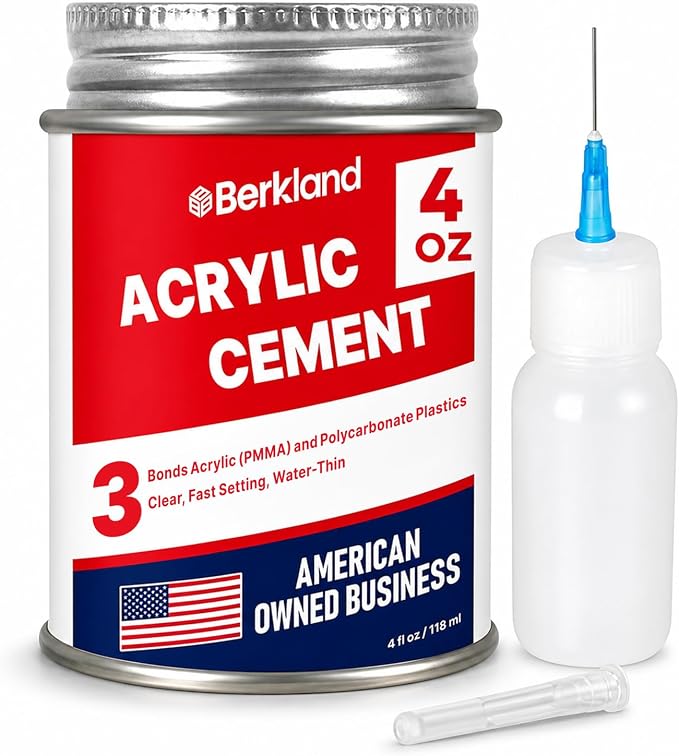
Berkland Acrylic Bonding Cement, 4 oz with Applicator Bottle
Berkland Acrylic Bonding Cement is a versatile adhesive designed for strong, long-lasting bonds in various applications. The convenient 4 oz applicator bottle ensures precise application for all your crafting and repair needs.
Check Price on AmazonKey Features
- Strong acrylic formula for durable bonding.
- Comes in a user-friendly 4 oz applicator bottle.
- Ideal for use on a variety of surfaces.
- Quick-drying for efficient project completion.
- Non-toxic and safe for indoor use.
Pros
- Strong bonding capability: Provides a reliable hold on multiple surfaces, ensuring your projects stay intact.
- Easy application: The applicator bottle allows for precision, making it user-friendly for both beginners and experienced crafters.
- Quick drying time: Saves you time by allowing projects to move forward without long wait periods.
- Non-toxic formula: Safe for indoor use, making it a great choice for family-friendly projects.
Cons
- Limited quantity: The 4 oz size may not be sufficient for larger projects or frequent use.
- Drying time may vary: While generally quick, factors like humidity can affect drying speed.
- Not suitable for heavy-duty applications: Best for light to medium bonding tasks, not ideal for structural repairs.
Specs
| 0 | 4 oz |
|---|---|
| 1 | Acrylic bonding cement |
| 2 | Indoor use |
| 3 | Quick |
| 4 | Non-toxic |
At a Glance
2. Super Glue All-Purpose Liquid 1.75 oz

Super Glue All-Purpose Liquid 1.75 oz - Instant Adhesive Repair
Super Glue All-Purpose Liquid is your go-to instant adhesive for quick and reliable repairs. With its strong bonding capabilities, this 1.75 oz bottle is perfect for a variety of materials.
Check Price on AmazonKey Features
- Fast-drying formula for instant repairs
- Versatile for use on wood, metal, plastic, and more
- Precision applicator for easy use
- Dries clear for a seamless finish
- Compact size for convenient storage
Pros
- Fast-drying: The instant bonding feature means you can complete repairs quickly without waiting.
- Versatile use: Works effectively on a wide range of materials, making it a handy tool for various projects.
- Clear finish: Once dried, the adhesive is transparent, ensuring a clean and professional look.
- User-friendly design: The precision tip makes it easy to apply the glue exactly where needed, reducing waste.
Cons
- Limited working time: Once applied, the glue sets quickly, leaving little room for adjustments.
- Not waterproof: While strong, it may not hold up well in wet conditions or underwater.
- Fumes: The adhesive may emit strong fumes during application, so proper ventilation is advised.
Specs
| 0 | 1.75 oz |
|---|---|
| 1 | Liquid adhesive |
| 2 | Seconds |
| 3 | Clear |
| 4 | Precision tip |
At a Glance
Buying Guides
When selecting the best glues for bonding plastic to plastic, it’s essential to consider several practical criteria to ensure a strong and lasting bond. Here are the key factors to keep in mind:
Type of Plastic
– Compatibility: Not all adhesives work well with every type of plastic. Identify the specific type of plastic you are working with (e.g., PVC, ABS, polystyrene, polyethylene) and choose a glue designed for that material.
– Surface Treatment: Some plastics may require surface preparation, such as sanding or cleaning, to enhance adhesion.
Adhesive Formulation
– Cyanoacrylate (Super Glue): Ideal for quick bonding and works well on non-porous surfaces. However, it can be brittle.
– Epoxy: Offers a strong bond and is suitable for larger repairs. It typically comes in two parts that need to be mixed before application.
– Plastic-Specific Adhesives: Formulated specifically for plastics, these adhesives can provide excellent bonding without the limitations of general-purpose glues.
Drying Time
– Fast-Setting: If you need a quick fix, look for adhesives that set in minutes.
– Working Time: Some glues allow for repositioning before setting, which can be beneficial for more complex projects.
Strength and Durability
– Shear Strength: Check the adhesive’s shear strength rating, especially for items that will experience stress.
– Resistance to Elements: Consider whether the adhesive is waterproof, heat-resistant, or chemical-resistant based on the intended use.
Application Method
– Ease of Use: Some adhesives come in convenient applicators, while others may require additional tools or mixing.
– Precision: Look for a glue that allows for controlled application to avoid excess mess.
Safety and Clean-Up
– Non-Toxic Options: If you are concerned about fumes or potential hazards, look for low-VOC or non-toxic adhesives.
– Clean-Up: Some glues require solvents for clean-up, while others can be cleaned with soap and water.
Price and Brand Reputation
– Budget-Friendly: Consider your budget but also weigh the cost against the performance and reliability of the glue.
– Brand Trust: Research brands known for their quality and reliability in adhesive products.
By evaluating these criteria, you can make an informed decision when choosing the best glue for your plastic bonding needs, ensuring a successful and durable repair or project.
FAQs
What types of glue work best for plastic on plastic?
The best types of glue for plastic on plastic include cyanoacrylate (super glue), epoxy, and plastic-specific adhesives. Each type has its own strengths, so the choice depends on the specific project requirements.
Can I use regular super glue on plastic?
Yes, regular super glue (cyanoacrylate) can work on plastic. However, it may not be effective on all types of plastic, particularly those that are flexible or non-porous. For best results, look for super glues specifically formulated for plastic.
How long does plastic glue take to dry?
Drying times can vary depending on the type of glue used. Generally, cyanoacrylate glues set quickly, often within seconds to a few minutes, while epoxy can take several hours to cure fully.
Is it necessary to sand the plastic before gluing?
Sanding the surface can improve adhesion, particularly for smooth plastics. Lightly roughening the surface can create a better bond by increasing the surface area for the glue to grip.
Are there any safety precautions I should take when using glue on plastic?
Yes, it’s important to work in a well-ventilated area and wear gloves to protect your skin. Some adhesives may emit strong fumes or cause irritation, so always read the label and follow safety instructions.
Conclusion
In summary, finding the best glues for plastic on plastic can greatly enhance your crafting and repair projects. By choosing the right adhesive, you can ensure strong, lasting bonds that withstand stress and strain. Consider the specific requirements of your project, such as the type of plastic and the conditions it will face, to select the optimal glue for your needs. With the right product in hand, you’ll be well-equipped to tackle any plastic bonding task successfully.