
Best Hearing Aids — A Practical Guide Inspired by Independent Testing
Introduction
Let’s discover best hearing aids consumer reports on the market now.
“Best hearing aids” means different things depending on your hearing profile, ear anatomy, lifestyle, and budget.
Independent test labs typically evaluate hearing aids for speech clarity in noise,
real-world comfort, battery performance, Bluetooth reliability,
and ease of use (app design, controls, cleaning). This guide translates those lab-style criteria into
simple choices, so you can narrow to a few great options before trying them in person with a licensed professional.
Disclosure: This article contains affiliate links. This means that if you click on a link and make a purchase, we may receive a small commission at no additional cost to you.
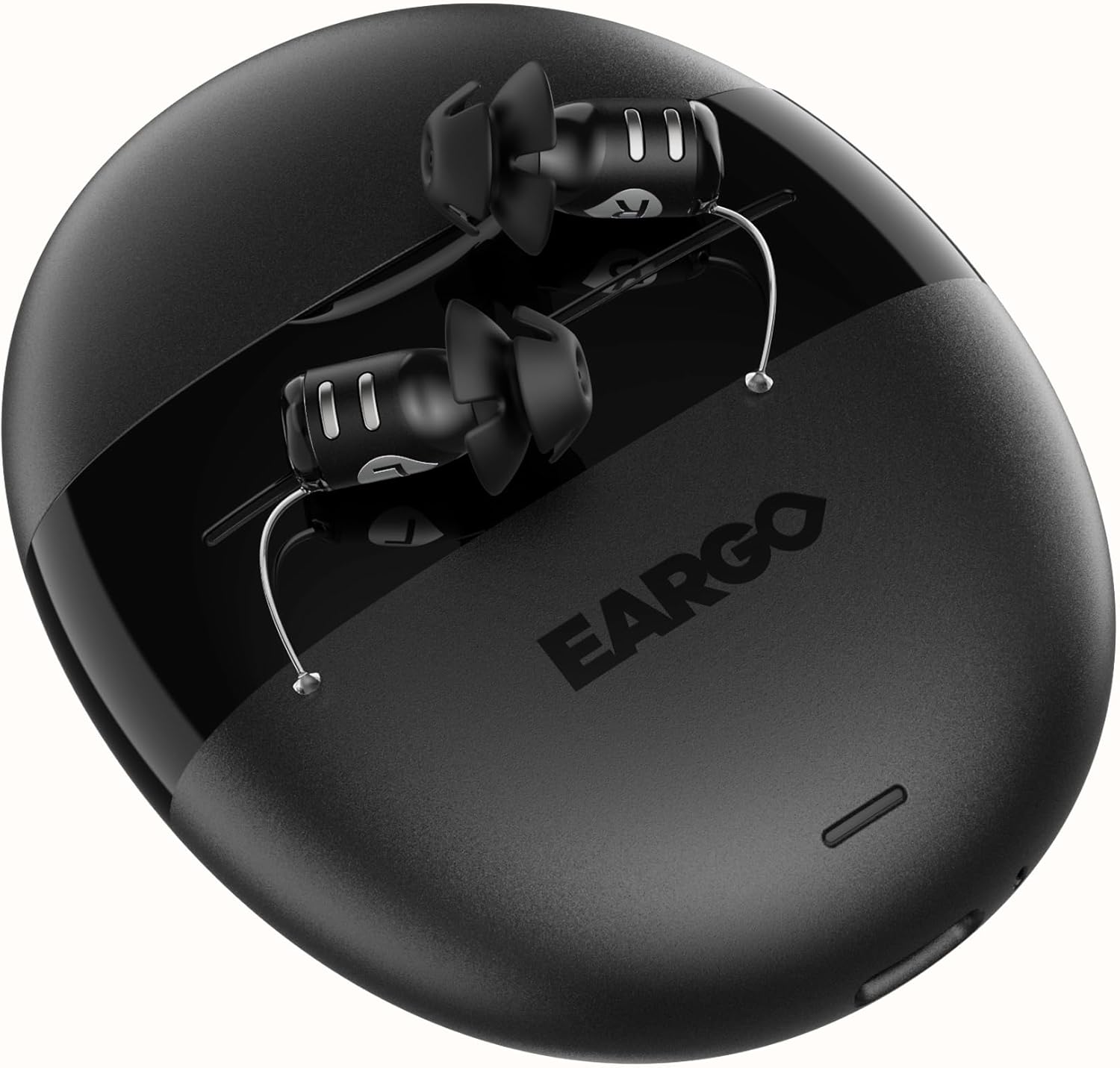
Eargo 8 Invisible CIC (OTC)
Self-fitting, virtually invisible CIC with Smart Sound Adjust & Sound Match. Rechargeable with lifetime support.
Check Price on Amazon
Audien Atom Pro 2 (OTC)
Nearly invisible wireless rechargeable OTC aids with premium comfort tips for all-day wear.
Check Price on Amazon
Lexie B2 Plus by Bose
Rechargeable OTC RICs with Bose tuning, Bluetooth, and wireless charging case for mild–moderate loss.
Check Price on Amazon
Audien Atom X (Bluetooth)
OTC Bluetooth aids with touchscreen charge case and up to 48+ hours battery life per charge.
Check Price on Amazon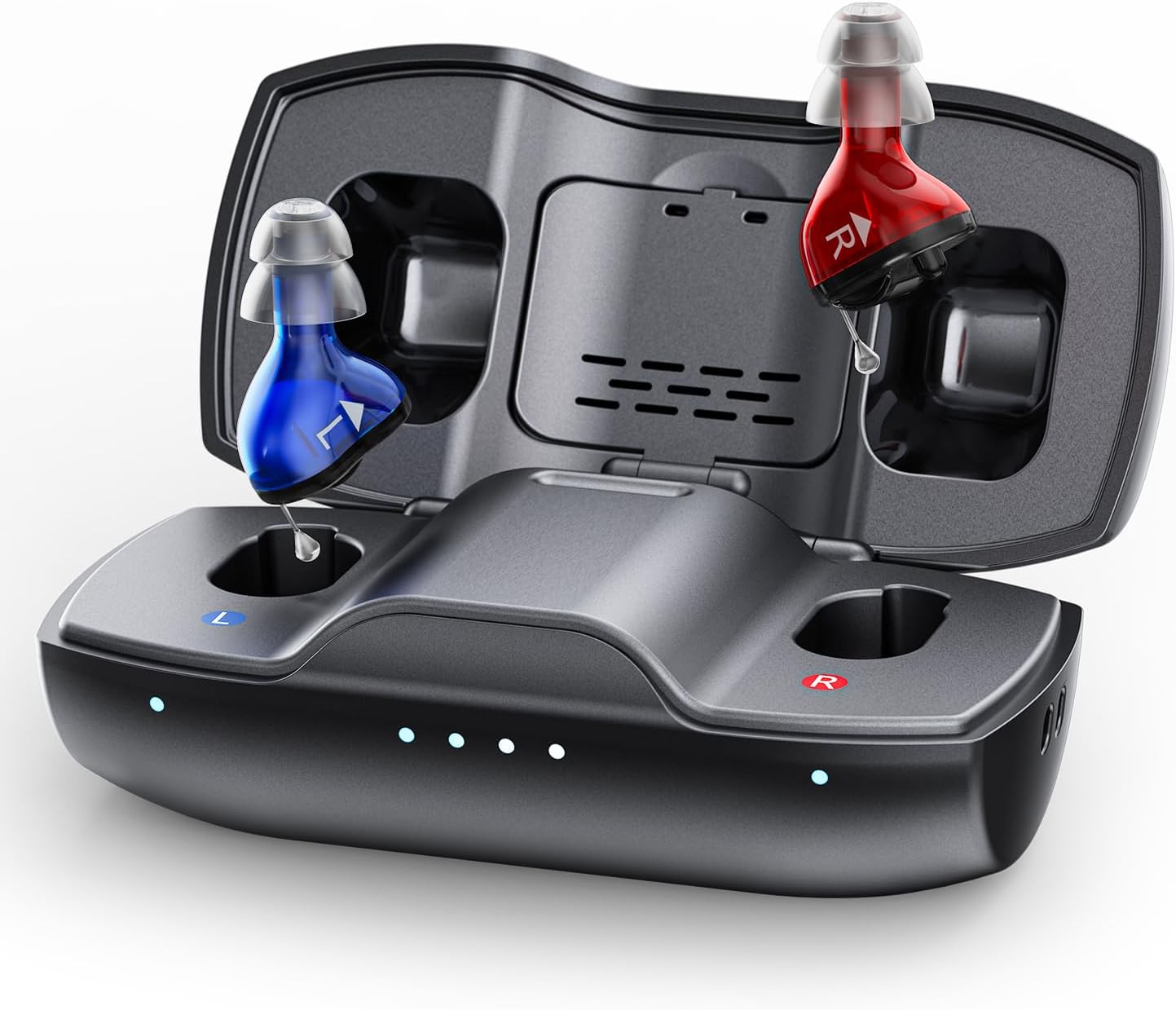
iBstone Nova
Superior sound quality with smart noise cancelling, auto on/off, and a built-in drying compartment.
Check Price on Amazon
Rechargeable Aids (5-Level)
Simple OTC amplifier with 5 volume levels and noise cancelling for clear everyday listening.
Check Price on Amazon
Bluetooth App-Control OTC
Rechargeable OTC aids with companion app, auto noise cancellation, and 5-step volume control.
Check Price on Amazon
Lexie B2 Plus Bundle
Bose-powered OTC with wireless case plus cleaning & care kit—noise reduction, app control, Bluetooth.
Check Price on Amazon
Jabra Enhance Select 500
Clinic-quality OTC with included audiology services and Bluetooth streaming for iOS/Android.
Check Price on Amazon
Jabra Enhance Select 700
Premium OTC with Bluetooth LE Audio & streaming, nearly invisible fit, and pro support.
Check Price on Amazon
ELEHEAR Beyond Pro
VocClear 2.0 algorithm claims 30% clearer speech, with music mode, app, and Bluetooth streaming.
Check Price on Amazon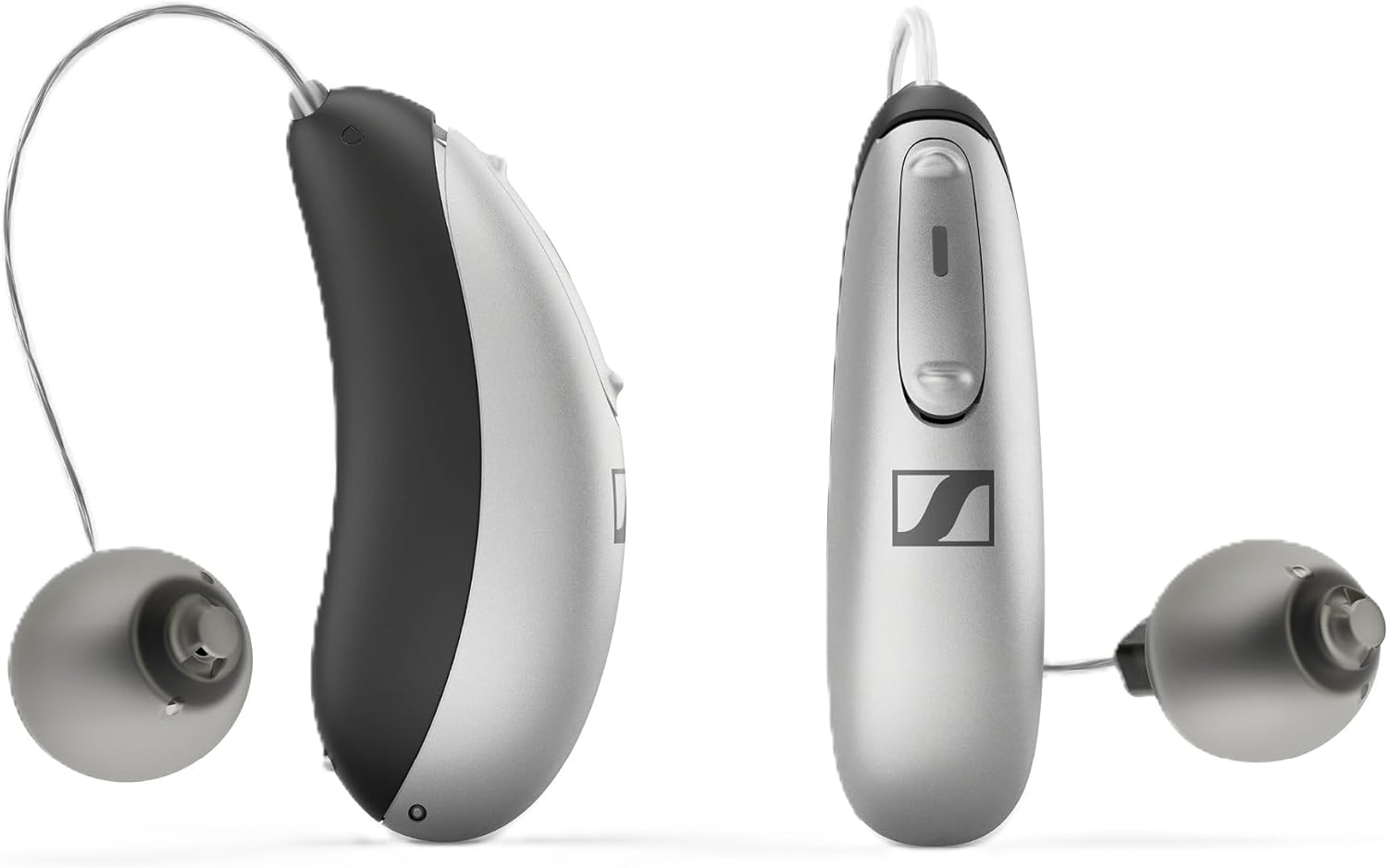
Sennheiser All-Day Clear
OTC Bluetooth RICs with self-fitting, programmable sound, and FDA clearance; light grey finish.
Check Price on Amazon
Sony CRE-C20 Bundle
Self-fitting OTC bundle with vented sleeves (M/L). Compact design with app-based personalization.
Check Price on Amazon
Eargo 7 Invisible CIC (OTC)
Virtually invisible CIC with self-fitting app and rechargeable case; lifetime customer support.
Check Price on AmazonBuying Guides on Best Hearing Aids
1) Hearing Loss Profile & Fit
- Type of loss: Mild-to-moderate often suits receiver-in-canal (RIC) or completely-in-canal (CIC). Severe-to-profound usually needs behind-the-ear (BTE) power receivers and custom molds.
- Audiogram match: Look for devices that support your audiogram with fine gain controls (multiple channels & compression ratios).
- Ear anatomy & comfort: Smaller ears may prefer slim RICs; narrow canals may need custom tips for feedback control.
2) Speech Clarity (Especially in Noise)
- Directional microphones: Adaptive beamforming focuses on talkers in front while reducing side/rear noise.
- Noise reduction: Adjustable noise suppression keeps speech natural without “pumping.” Test in cafés or cars.
- Feedback management: Modern anti-whistle algorithms allow higher gain without squeal—critical for open-fit users.
3) Personalization & App Controls
- Programs: Quiet conversation, restaurant, music, outdoors. Easy switching via button or app tile.
- Self-tuning: In-app fine-tuning, remote audiology sessions, and quick presets can reduce clinic visits.
- Data logging: Devices that track environments help your provider optimize settings over time.
4) Bluetooth, Calls & Media
- Made for iPhone/Android LE Audio: Stable hands-free calling and low-latency streaming make daily use easier.
- Accessory ecosystem: TV streamers, remote mics, and clip-on transmitters dramatically improve distance listening.
5) Battery Type & Daily Runtime
- Rechargeable lithium: 18–30 hours per charge, pocket chargers with quick top-ups; ideal for active users.
- Zinc-air disposables: Longer shelf life and easy swap on trips; sizes 10/312/13/675 match device power needs.
6) Comfort, Build & Durability
- IP rating & coatings: Sweat and dust resistance for workouts or humid climates.
- Receivers & domes: Multiple dome styles (open, tulip, power) reduce occlusion and improve retention.
- Weight & shell design: Lightweight RICs with curved housings tend to disappear behind the ear.
7) Clinical Support & Warranty
- Trial window: A 30–60 day return period lets you test in restaurants, meetings, and on the phone.
- Follow-ups included: Real-ear measurements (REM), cleaning, firmware updates, and remote care add long-term value.
- Warranty & loss/damage: Check replacement terms and whether one-time loss coverage is included.
8) Price & Total Cost of Ownership
- Bundled clinic model: Higher upfront price typically includes testing, fitting, and unlimited adjustments.
- Unbundled or OTC: Lower device cost; pay per visit. Great for mild-to-moderate loss if you’re comfortable self-tuning.
- Hidden costs: Receivers, domes, wax guards, and accessory batteries add up—budget annually.
9) Special Use Cases
- Tinnitus features: Sound therapy tones and app-based masking can help with ring management.
- Music lovers: Wide input dynamic range and music programs preserve timbre without aggressive compression.
- Single-sided loss: CROS/BiCROS systems route audio from the poorer ear to the better ear for better awareness.
FAQs
Do I need a prescription or are OTC hearing aids enough?
If you have mild to moderate perceived hearing loss and want a lower-cost start, OTC hearing aids can work well—especially with self-tuning apps and a remote mic accessory.
If you have asymmetric, sudden, or severe loss, or persistent tinnitus/dizziness, see an audiologist or ENT for a diagnostic exam and a custom-fit device.
What style is most discreet?
Modern RIC models place a hair-thin wire to a tiny receiver in the canal and hide the body behind the ear—often more discreet than CIC for many users, while offering stronger processing, Bluetooth, and better battery life.
How long do hearing aids last?
Typically 5–7 years with proper care. Receivers and tips are consumables; expect replacements during the lifespan. Keep devices dry, wipe daily, and schedule periodic cleanings to extend life.
Are rechargeable batteries reliable?
Yes. Most current models provide a full day per charge. If you stream heavily, look for larger battery capacity or a pocket charger for midday top-ups. Cold weather can reduce runtime slightly.
Can hearing aids really understand speech in noisy places?
They can improve it, but no device perfectly cancels chaos. Best results come from directional mics, a remote microphone placed near the talker, and realistic expectations.
Always test your short list in a noisy café before you decide.
How should I compare prices fairly?
Compare by device tier + service package. A lower-price device with no follow-ups may cost more over time than a mid-tier model with adjustments, loaners, and real-ear measurement included.
What’s the single most important feature to prioritize?
Speech clarity in your real environments. If a model sounds great at home but struggles in restaurants or meetings, keep looking—fit and tuning matter more than brand names.
